Going to a Dentist for Sleep Apnea Treatment
Obstructive sleep apnea is a chronic and very common type of sleeping disorder. This condition affects breathing due to the relaxation of the muscles at the back of your throat. There are several signs and symptoms that are associated with OSA. These include excessive daytime sleepiness, insomnia, snoring and choking sounds while sleeping. Read on to learn how a dentist can help with sleep apnea treatment.
Sleep apnea treatment
Seeking treatment for OSA is highly recommended. If left untreated, it can have a negative impact on a person’s quality of life. Treatment often helps to ease the symptoms and prevent other serious complications. People who have any of the symptoms should see a dentist or doctor as soon as possible. This will ensure a person gets the appropriate treatment at the right time.
Diagnosis
A person who is struggling with the symptoms of sleep apnea, like snoring and sleeplessness, should seek help. Sometimes, people even discover they have a sleep disorder during a checkup with the dentist. Dentists can play an important role in the diagnosis and treatment of OSA. Dentists may screen patients for sleep apnea using questionnaires and evaluating the airway. The patient will then be referred to a physician for an evaluation. Dentists are fully aware of the signs and symptoms of sleep apnea and how it is treated.
But since OSA is a medical condition, dentists are not supposed to diagnose sleep disorders. Only a medical doctor is supposed to make an official diagnosis of the condition. A doctor can provide a patient with a complete sleep evaluation. This may involve either a home sleep apnea test or an overnight sleep study. The sleep doctor will then interpret the data from the sleep study before making a diagnosis.
Treatment
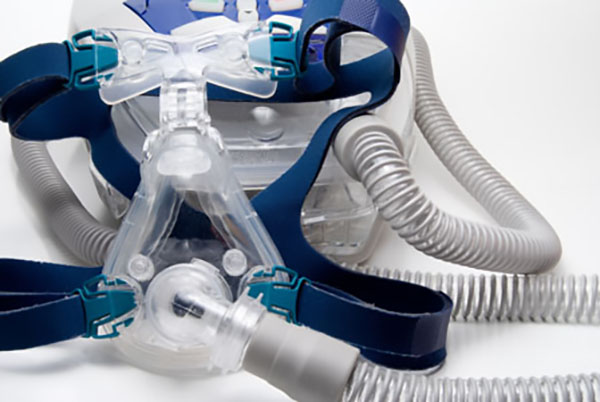
Some effective treatment options for sleep apnea include oral appliance therapy and continuous positive airway pressure (CPAP) therapy. Surgery may also be recommended. Oral appliance therapy has been proven to be a good treatment option for OSA and snoring. An oral appliance is supposed to be worn in the mouth while a patient sleeps. These appliances support the jaw in a forward position in order to maintain an open upper airway.
After both a doctor and patient decide that oral appliance therapy may be beneficial, the doctor will write a prescription for the patient to receive a sleep apnea appliance. The patient will also be referred to a dentist who can provide oral appliance therapy. There are many oral appliances available that have been approved for use. The dentist will suggest a device that is ideal for the patient.
Takeaway
Treating obstructive sleep apnea is very important to your health. It will help ease the symptoms of the disorder and to improve your life. There are several treatment options for your condition that a sleep doctor may recommend. The doctor will discuss the different options with you. But it is important to talk to your dentist or doctor if you experience any of the symptoms of sleep apnea. If you suspect you have the condition, speak to your dentist or doctor today for more information and possible evaluation.
Request an appointment here: https://www.mytotaldentistry.com or call McCarthy Dentistry at (740) 546-5178 for an appointment in our Marietta office.
Check out what others are saying about our services on Yelp: Read our Yelp reviews.
Recent Posts
A dental bridge is a tried-and-true way to replace missing teeth, restore chewing function, and protect remaining teeth from shifting. Modern materials, precise digital planning, and evidence-based protocols allow a bridge to blend seamlessly with surrounding teeth and support the health of the smile. With the right bridge design and care routine, patients can experience…
Tooth extractions are common dental procedures performed by general dentists. They can be a result of decay, disease, or a fracture. While the dentist may introduce it to preserve oral health, it is important to know what to expect during and after the operation.There are two types of tooth extractions, namely simple and surgical. Most…
When searching for a dentist near me, families are often looking for more than just convenience. Quality, comfort, and trust can all help them select the right dental provider. Working with a trustworthy dental practice that understands your entire family's needs can make a lasting difference in your oral health.Dental health has a direct link…
Your dentist can suggest a tooth extraction. A thorough assessment can help determine if you need this procedure. The facts can help prepare you for your oral surgery. Here are the details on when a tooth extraction may be necessary.Periodontal disease is an infection of the structures that surround the teeth. Studies show that the…